David
David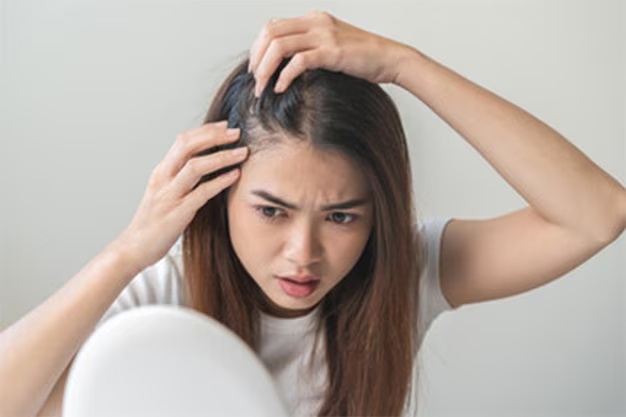
Hair loss is not just a concern for men; it is a growing issue among women as well. Female hair loss is becoming increasingly common, with many women seeking solutions to restore hair health and confidence. It can affect self-esteem and emotional well-being, making it essential to understand the underlying causes and explore effective treatment options. In Singapore, where appearance often matters in both social and professional settings, addressing hair loss is a priority for many women.
Common Causes of Female Hair Loss
Hair loss in women can result from a combination of genetic, hormonal, environmental, and lifestyle factors.
Hormonal Imbalances
Hormonal changes due to pregnancy, menopause, or thyroid disorders can lead to hair thinning. Conditions such as polycystic ovary syndrome (PCOS) can also contribute to hair loss.
Androgenetic Alopecia
Female pattern hair loss is a genetic condition that leads to gradual thinning on the top and crown of the scalp. Unlike male pattern baldness, complete baldness is rare in women.
Nutritional Deficiencies
A lack of essential nutrients, including iron, vitamin D, zinc, and biotin, can weaken hair strands and slow down growth. A balanced diet is vital for maintaining healthy hair. For those looking to support their hair care routine from within, comparing a biotin supplement amazon option can be a convenient way to find a product that fits their nutritional needs and daily wellness habits.
Stress and Lifestyle Factors
Chronic stress can push hair follicles into a resting phase, leading to increased shedding. Poor sleep patterns and unhealthy diets can exacerbate the problem.
Medical Conditions
Autoimmune diseases such as alopecia areata cause the body to attack hair follicles, resulting in sudden hair loss in patches. Scalp infections can also contribute to hair thinning.
Effective Treatments for Female Hair Loss
Treating female hair loss requires a personalised approach based on the underlying cause. Multiple treatment options are available to manage and potentially reverse hair loss.
Topical Treatments
Minoxidil is an FDA-approved topical solution that promotes hair regrowth by improving blood flow to hair follicles. It is often recommended for female pattern hair loss.
Hormone Therapy
For hair loss caused by hormonal imbalances, hormone replacement therapy (HRT) or oral contraceptives can help regulate hormone levels and reduce hair thinning.
Platelet-Rich Plasma (PRP) Therapy
PRP therapy involves extracting platelets from the patient’s blood and injecting them into the scalp. This stimulates hair growth and improves hair follicle health.
Hair Transplant Surgery
Hair transplant surgery is an option for women with significant hair loss. Techniques such as Follicular Unit Extraction (FUE) transfer healthy hair follicles from one part of the scalp to thinning areas.
Nutritional Supplements
Supplements containing biotin, iron, vitamin D, and other essential nutrients support hair health. Consulting a healthcare professional ensures appropriate supplementation.
Lifestyle Changes for Prevention
Preventing hair loss involves adopting healthy habits to maintain hair strength and vitality.
Balanced Diet
A diet rich in vitamins, minerals, and proteins nourishes hair follicles. Foods such as eggs, leafy greens, nuts, and fatty fish provide essential nutrients for hair growth.
Stress Management
Chronic stress contributes to hair loss. Practising relaxation techniques such as meditation, yoga, and regular exercise can help manage stress levels.
Gentle Hair Care
Using mild, sulphate-free shampoos and avoiding excessive heat styling can prevent hair damage. Regular scalp massages improve blood circulation and promote hair growth.
When to Seek Professional Help
While occasional hair shedding is normal, sudden or excessive hair loss warrants professional attention. Dermatologists and trichologists can provide accurate diagnoses and tailored treatment plans.

Conclusion
Female hair loss is a multifaceted issue that requires understanding and a comprehensive approach to treatment. Whether caused by hormonal changes, nutritional deficiencies, or medical conditions, effective solutions are available. Seeking timely professional help and maintaining a healthy lifestyle can significantly improve hair health, boosting confidence and overall well-being. In Singapore, where appearance is valued, addressing hair loss with expert guidance can make a meaningful difference.