David
David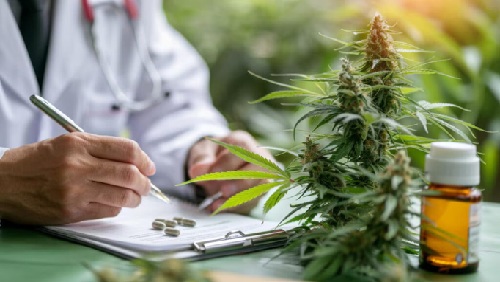
Getting access to medical marijuana can feel confusing at first, especially with different laws, requirements, and processes depending on where you live. While the details vary by state, the overall journey follows a similar structure: determining eligibility, consulting a qualified physician, and gaining legal access to approved cannabis products. Understanding each step can make the process far more straightforward and less intimidating.
Understanding Eligibility Requirements
The first step is determining whether you qualify for medical marijuana use. Each state has its own list of approved conditions, which often includes chronic pain, epilepsy, multiple sclerosis, cancer, PTSD, and other serious health issues. Some states maintain strict lists, while others allow physicians more flexibility in recommending cannabis based on individual patient needs.
It’s important to review your state’s specific criteria before moving forward. In some cases, documentation of your medical history or previous treatments may be required to support your application.
Consulting a Qualified Physician
Once you’ve confirmed your eligibility, the next step is to speak with a licensed healthcare provider authorized to recommend medical cannabis. This consultation typically involves discussing your symptoms, medical history, and treatment goals. The physician will assess whether medical marijuana is an appropriate option and, if so, provide the necessary certification.
In many places, this process can now be done through telehealth, making it more convenient than traditional in-person visits. The goal is to ensure that cannabis use is both safe and aligned with your overall healthcare plan.
Navigating State-Specific Processes
After receiving a physician’s recommendation, you’ll usually need to register with your state’s medical marijuana program. This may involve submitting an application, providing identification, and paying a fee. Some states issue a physical card, while others maintain digital registries that dispensaries can access directly.
For example, the process for obtaining a medical marijuana card in Texas residents is somewhat different from other states. Texas operates under a more limited program, where patients are entered into a state registry by their physician rather than receiving a traditional physical card. Understanding these nuances is essential to avoid confusion and ensure compliance with local regulations.
Accessing Approved Cannabis Products
Once you’re registered, you can legally access medical cannabis through licensed dispensaries or approved providers. Product availability varies widely, ranging from oils and tinctures to edibles and capsules. In some regions, smokable forms may be restricted, so it’s important to know what’s allowed in your area.
Dispensary staff often play a helpful role in guiding patients toward products that match their needs, especially for those who are new to cannabis. Starting with lower doses and gradually adjusting is generally recommended to find what works best for you.
Staying Compliant With Regulations
Holding a medical marijuana card—or being registered in a state program—comes with responsibilities. Patients must follow local laws regarding possession limits, approved forms of cannabis, and where it can be used. Traveling with medical cannabis across state lines can also be restricted, even if both states have legal programs.
Keeping your registration up to date is equally important. Most programs require periodic renewals, which may include follow-up consultations with your physician.
Benefits of Going Through the Proper Channels
While some people may consider alternative ways to access cannabis, going through the official medical system offers clear advantages. You gain access to regulated, quality-controlled products, professional medical guidance, and legal protection under your state’s laws. This structure helps ensure both safety and consistency in your treatment.
Final Thoughts
Getting a medical marijuana card doesn’t have to be complicated when you understand the process. By confirming your eligibility, consulting a qualified physician, and following your state’s requirements, you can gain safe and legal access to medical cannabis. Taking the time to learn the steps not only simplifies the experience but also helps you make more informed decisions about your health and wellness.